When you think of animation that blurs the lines between the fantastical and the intimately human, that uses the digital canvas to paint emotions with breathtaking clarity, you're likely thinking of Mamoru Hosoda. His unique approach to storytelling and visual artistry has carved a distinctive niche in the global animation landscape. From the nostalgic pang of first love in "The Girl Who Leapt Through Time" to the complex tapestry of family and nature in "Wolf Children," Mamoru Hosoda's direction and visual style consistently invites audiences into worlds that feel both familiar and wondrously alien.
Hosoda isn't just making cartoons; he's crafting experiences that resonate deeply, exploring themes of growth, connection, and the evolving definition of family in a rapidly changing world. His films are a masterclass in how visual choices amplify narrative, transforming a simple story into a profound journey.
At a Glance: Hosoda's Cinematic Signature
- Dreamy Aesthetics: Characterized by vivid colors, soft pastels, and fluid animation that often evoke a sense of childlike wonder.
- Thematic Depth: Consistently explores family bonds, the passage of time, and the delicate balance between technology and the natural world.
- Cross-Cultural Bridges: Actively seeks to blend animation styles and narrative influences from Eastern and Western traditions, exemplified by his upcoming film "Scarlet."
- Hybrid Animation Techniques: Seamlessly integrates traditional Japanese 2D animation with cutting-edge digital enhancements, creating a distinctive visual language.
- Dynamic Storytelling: Utilizes dual-world narratives and inventive perspectives to enrich character development and thematic exploration.
- Global Appeal: His work gains increasing international recognition through film festivals and streaming platforms, showcasing the universal power of his storytelling.
The Hosoda Signature: Blending the Mundane and the Miraculous
Mamoru Hosoda’s filmography reads like a series of poignant fables for the modern age. He has a knack for taking everyday scenarios—a summer vacation, a mother raising wolf-children, a boy encountering his future sister—and imbuing them with extraordinary weight and magical realism. It’s this grounded approach to the fantastical that makes his work so universally relatable, even when dragons roam digital realms or time travel is just a leap away.
His films frequently center on protagonists navigating pivotal moments of change, whether it's coming of age, embracing unconventional family structures, or understanding one's place in a grander lineage. This thematic consistency underpins his visual choices, which are never just pretty pictures but integral components of his storytelling ethos. He doesn't shy away from the messiness of life, preferring to explore emotional truths through fantastical lenses.
Visual Language: Where Dreamy Whimsy Meets Digital Precision
Step into a Hosoda film, and you’re immediately struck by a visual feast. His aesthetic is instantly recognizable: a tapestry woven with vibrant colors, soft, almost ethereal pastels, and a dynamic flow that makes every scene feel alive. It's a style that captures a childlike wonder, yet possesses a sophistication that appeals to all ages.
The Art of Capturing Motion and Emotion
Hosoda’s visual prowess lies in his ability to make every frame breathe. His illustrations are often incredibly detailed, marked by fine lines and smooth gradients that create a profound sense of motion and depth. Characters aren't static; they move with an organic fluidity, whether they're sprinting through a digital battlefield or gently interacting in a quiet forest. This meticulous attention to movement ensures that the audience feels every impact, every subtle gesture, every emotional tremor.
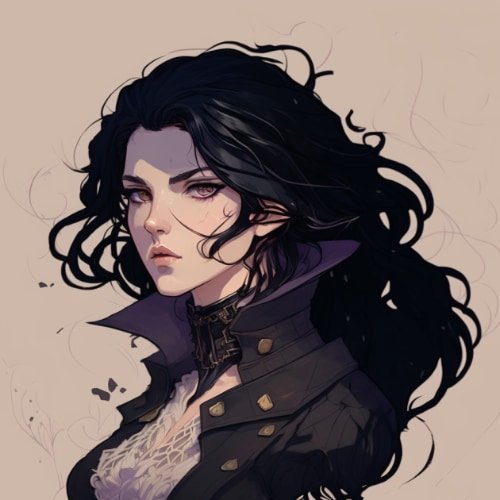
His compositions are equally dynamic. You'll frequently find characters centrally placed, often against breathtaking natural landscapes or bustling urban backdrops. This framing choice emphasizes their journey, making them the undeniable focal point while still allowing the environment to tell its own story. There’s a particular artistry in how he blends these settings, often blurring the lines between reality and imagination, heavily influenced by traditional Japanese culture and aesthetics. He leverages modern tools to achieve this timeless feel; indeed, many have noted his Midjourney style is characterized by these very dreamy, whimsical qualities, further enhanced by digital artistry to achieve that unique blend of fantasy and reality.
Beyond Aesthetics: Storytelling Through Visuals
In Hosoda's universe, the visual style isn't just a wrapper; it's the very fabric of the narrative. The lush, natural environments in "Wolf Children" aren't just scenery; they reflect the wildness within the protagonists and the challenges of integrating into human society. The bustling, interconnected digital world of Oz in "Summer Wars" becomes a character in itself, embodying both the potential and pitfalls of technology.
Navigating Time and Family Through the Lens
His recurrent themes—family, time, and the interplay of technology and nature—are consistently reinforced by his directorial and visual choices.
- Family: The warmth of his color palettes, the intimate framing of characters, and the fluid animation of their interactions all contribute to the strong sense of family bonds that permeate his films. Even in moments of conflict, there’s an underlying tenderness.
- Time: Hosoda often employs visual metaphors for the passage of time. From the literal leaps in "The Girl Who Leapt Through Time" to the generational journey in "Mirai," his visual storytelling helps to convey the ephemeral nature of moments and the enduring legacy of connections.
- Technology & Nature: He masterfully contrasts the sleek, often overwhelming visual language of technology with the organic beauty of the natural world. This juxtaposition highlights the tension and harmony between humanity's creations and its roots, a core philosophical question in many of his works.
The Dual-World Canvas: Bridging Reality and Imagination
A hallmark of Hosoda's narrative structure is the frequent use of dual-world narratives or contrasting settings. This technique isn't merely a stylistic flourish; it's a powerful tool for character development, thematic exploration, and offering fresh perspectives.
In "Summer Wars," the real-world family drama unfolds against the backdrop of a sprawling, vibrant digital metaverse. In "Wolf Children," the children navigate their dual existence between human and wolf forms, each representing a distinct world and way of life. "Mirai" beautifully interweaves the present reality of a young boy with magical journeys into the past and future, offering glimpses of his family's lineage.
This approach allows Hosoda to explore rich exchanges of ideas, showing how different realities can influence and inform one another. It's a subtle way of asking audiences to consider the multiple layers of truth and experience that define our lives. The dual-world narrative also creates opportunities for stunning visual contrasts, from the intricate, geometric designs of a digital realm to the soft, organic textures of a forest.
"Scarlet": A New Frontier in Cross-Cultural Animation
Hosoda's upcoming feature, "Scarlet," looks set to push these boundaries even further, embodying his ambition to create truly cross-cultural narratives and visuals. This film is designed as a bridge between Eastern and Western animation, a deliberate fusion of artistic traditions.
A Tale of Vengeance and Inter-World Journeys
"Scarlet" tells a compelling tale of vengeance, centered on a medieval princess embarking on an inter-world journey for retribution. The premise itself is a rich ground for Hosoda's dual-world technique, contrasting the protagonist’s medieval setting with that of a modern-day nurse. This setup promises a twist on the traditional buddy-movie genre, facilitating a dynamic exchange of ideas and perspectives between disparate worlds.
The influences for "Scarlet" are openly eclectic and ambitious. Hosoda draws inspiration from Shakespearean themes, the grandeur of classic European fantasy, and even the timeless appeal of Walt Disney princesses. This isn't about imitation; it's about respectful integration, taking beloved archetypes and reinterpreting them through a unique directorial lens. The heightened relevance of revenge as a theme amidst current global instability suggests a film deeply engaged with contemporary human emotions, filtered through a fantastical narrative.
Collaborative Artistry: Bridging Animation Styles
"Scarlet" exemplifies a growing fusion of animation styles, overcoming what were once rigid divides among American, European, and Japanese animations. Hosoda, himself deeply influenced by American hand-drawn animation—citing Glen Keane's work on "Beauty and the Beast" as a significant inspiration—is now consciously blending these traditions.
He employs traditional Japanese 2D techniques, but these are enhanced and elevated by sophisticated digital methods. To further enrich the film’s aesthetic and cross-cultural appeal, Hosoda has collaborated with significant talents. Disney veteran Jin Kim, known for his character designs, and Tadahiro Uesugi, a renowned illustrator, are part of the team shaping "Scarlet's" visual identity. This project also has roots in collaborations with Sony, mirroring the kind of cross-cultural artistic blending seen in other groundbreaking animated films like "KPop Demon Hunters" and the visually revolutionary "Spider-Man: Into the Spider-Verse." This collaborative spirit underscores Hosoda's commitment to pushing animation beyond geographical and stylistic confines.
Evolution of Craft: Traditional Roots, Digital Wings
Hosoda's journey as an animator reflects a broader evolution within the industry. While he is celebrated for his digitally enhanced visuals, his foundation is firmly rooted in traditional Japanese 2D animation. This blend is crucial to understanding his unique style. He embraces the fluidity and expressiveness of hand-drawn techniques, then uses digital tools not to replace, but to augment and refine.
Think of it as taking the soul of classic animation and giving it a modern voice. This approach allows for incredible detail, subtle character expressions, and dynamic camera movements that might be challenging or prohibitively expensive with purely traditional methods. The result is a seamless fusion where the warmth of the hand-drawn line meets the precision and boundless possibilities of digital effects. This strategic blend is a testament to his adaptability and vision, allowing him to create visuals that feel both nostalgic and utterly contemporary.
The Global Stage: Broadening Horizons
The world of animation is increasingly interconnected, and Hosoda's work has been a significant beneficiary of this trend. International film festival exposure has been instrumental in broadening the audience for his films, allowing them to transcend linguistic and cultural barriers. These platforms enable a global dialogue around animation as an art form, fostering the exploration of varied artistic expressions and themes.
Furthermore, the rise of streaming platforms has democratized access to diverse animation forms. Audiences worldwide can now discover and appreciate the nuances of Japanese animation, including Hosoda's distinctive style, with unprecedented ease. This accessibility not only grows his fanbase but also inspires new generations of animators and storytellers, demonstrating the universal appeal of well-crafted narratives and compelling visuals. It's a far cry from the days when niche anime films struggled for distribution, allowing unique directorial voices, even those exploring older, darker themes like those found in Baron Omatsuri, to find their passionate audiences.
Deconstructing Hosoda's Iconic Visual Motifs
To truly appreciate Mamoru Hosoda's artistry, it helps to break down some of the recurring visual motifs and directorial choices that define his work. These aren't just random flourishes; they are deliberate elements that serve to deepen the narrative and emotional impact of his films.
The Power of Everyday Detail: Grounding the Fantastic
One of Hosoda’s great strengths is his ability to ground even the most fantastical elements in a sense of lived reality. This often comes through in his meticulously rendered everyday details. From the worn texture of a wooden floor in a rustic house to the mundane clutter of a suburban kitchen, these elements create a sense of authenticity. When magic or extraordinary events then occur, they feel like they are truly happening within our world, rather than in an abstract, disconnected realm. This contrast makes the fantastical elements more impactful and the emotional journey of the characters more relatable.
Dynamic Camera Work and Movement: Capturing the Flow of Life
Hosoda's films are rarely static. His camera is a character in itself, constantly moving, shifting perspectives, and guiding the audience's eye. This dynamic camera work, combined with his signature fluid animation, creates a powerful sense of motion and depth. Whether it's a frantic chase scene, a quiet moment of introspection, or a character simply walking, there's an inherent rhythm to the animation. This kinetic energy isn't just for action sequences; it’s used to convey inner turmoil, the passage of time, or the sheer joy of living, making the world of his films feel vibrant and alive.
Symbolism in Scenery: Nature Versus Urban Landscapes
The environments in Hosoda's films are never just backdrops; they are often imbued with symbolic meaning. He frequently contrasts lush, untamed natural settings with sprawling, often intricate urban or digital landscapes. This dichotomy speaks to humanity's complex relationship with both its primal roots and its technological advancements.
- Nature: Represents growth, freedom, instinct, and a sense of timelessness. The forests in "Wolf Children" are places of refuge and learning, while the expansive fields in "Summer Wars" offer quiet contemplation.
- Urban/Digital: Symbolizes connection, innovation, sometimes chaos, and the structured aspects of human society. The bustling streets of Tokyo or the intricate architecture of Oz in "Summer Wars" reflect the modern human condition.
These visual contrasts underscore the thematic tensions within his stories, whether it's the wildness of adolescence against societal expectations, or the intimacy of family life amidst global digital challenges.
Character Design Philosophy: Expressive, Relatable, Evolving
Hosoda's characters, while often stylized, are incredibly expressive and relatable. Their designs are not just aesthetically pleasing but are crafted to convey a wide range of emotions and to evolve visually throughout their journeys. Subtle changes in posture, facial expressions, and even clothing reflect their inner growth and external challenges. He works with talented character designers to create figures who are distinctive yet feel like people you might know, lending a human touch to even the most fantastical beings. This focus on character development through visual cues makes their struggles and triumphs deeply resonant.
Common Misconceptions About Hosoda's Style
Despite his acclaim, certain misconceptions about Hosoda’s work can sometimes obscure its true depth. Let's clear a few up.
- "It's just another anime director." While Hosoda works within the anime tradition, his style transcends many genre conventions. He often prioritizes character-driven drama and universal themes over typical anime tropes, pushing the boundaries of what animation can achieve. His focus on blending Eastern and Western aesthetics further sets him apart from a more purely 'traditional' anime approach.
- "His films are only for kids." This couldn't be further from the truth. While his movies often feature young protagonists and possess a wondrous quality, they tackle profoundly adult themes: grief, divorce, parental sacrifice, societal prejudice, the existential weight of time, and the complexities of human relationships. These narratives offer rich layers of meaning that resonate deeply with adult audiences.
- "It's all fantasy, no realism." While elements of fantasy are central, Hosoda grounds these in stark realism. The emotional struggles, the family dynamics, and the societal pressures depicted in his films are intensely real. The fantastical elements often serve as metaphors for these very real human experiences, making them more accessible and poignant. His strength lies in making the extraordinary feel ordinary, and the ordinary feel extraordinary.
The Enduring Legacy and What's Next
Mamoru Hosoda has cemented his place as one of animation’s most vital and visionary directors. His unique blend of dreamy visuals, deeply human storytelling, and cross-cultural ambition has not only entertained millions but has also pushed the very definition of what animated cinema can be. He consistently reminds us that animation is a powerful medium for exploring the most profound aspects of the human condition.
For aspiring animators and storytellers, Hosoda's work offers invaluable lessons. He teaches the importance of a clear thematic core, the power of visual storytelling to elevate narrative, and the courage to blend diverse influences to forge a truly unique artistic voice. His dedication to traditional craft enhanced by digital innovation showcases a path forward for the industry, proving that roots and wings can coexist beautifully.
As "Scarlet" prepares to captivate audiences with its bold fusion of global inspirations and a fresh take on vengeance, Hosoda continues to evolve. His ongoing quest to bridge cultures, explore complex emotions, and redefine family for a new generation ensures that his direction and visual style will remain a compelling force in animation for years to come. What's next for Hosoda is always an exciting question, but one thing is certain: it will be visually stunning, emotionally resonant, and utterly unforgettable.