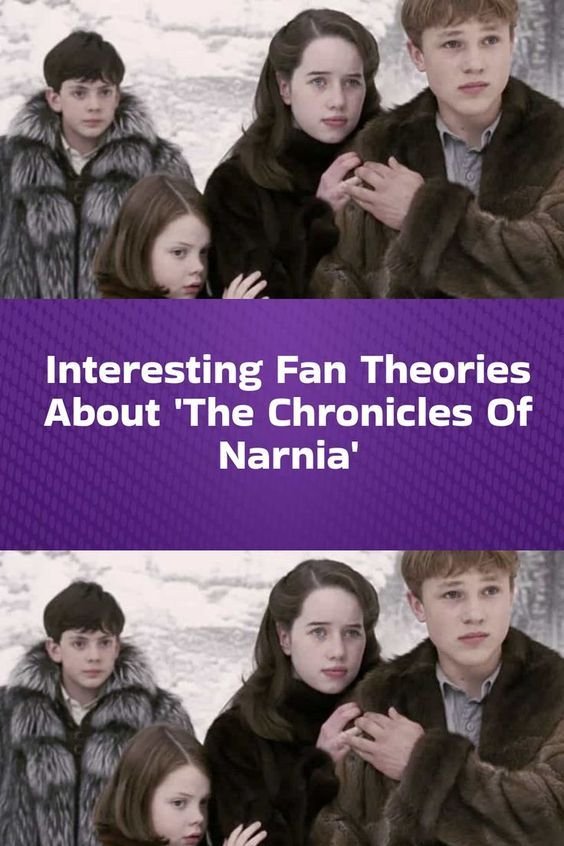
In the dynamic landscape of modern storytelling, narratives rarely end when the final page is turned or the credits roll. Instead, they transform, taking on a vibrant second life fueled by audience engagement. This is where Reception, Critiques & Fan Theories burst forth, becoming the very lifeblood of contemporary fandoms and collectively shaping how stories are understood, debated, and even re-written. Far from passive consumers, today's audiences are active co-creators, dissecting plots, scrutinizing characters, and filling in narrative gaps with an astonishing level of collaborative intellect.
The digital age has turned reading from a solitary pursuit into a bustling conversation, where millions connect to share passions and negotiate meaning. It's in these "affinity spaces"—online forums, social media, fan wikis—that a collective intelligence emerges, fostering a deep, intertextual practice that goes far beyond simple appreciation. Here, stories are not just received; they are re-interpreted, challenged, and expanded, thanks to the tireless efforts of dedicated fans.
At a Glance: Understanding Fandom's Collective Storytelling
- Fandom as Active Co-Creators: Modern audiences don't just consume; they participate, share, and expand narratives.
- The Digital Shift: Technology transformed reading from solitary to social, fostering "reading conversation" in online communities.
- Reception Beyond Consumption: It's an active, critical process of engaging with and making sense of a story.
- Critiques as Engagement: Far from just negativity, critiques are vital analytical feedback, driving deeper understanding.
- Fan Theories Explained: Interpretive proposals published in virtual communities for discussion, modification, or ratification.
- Three Core Theory Types: Predictive (future events), Explanatory (meaning, subtext), and Alternative (creative, improbable interpretations).
- Fanon vs. Canon: How community-negotiated interpretations ("fanon") interact with official content ("canon").
- Impact on Narratives: Fan theories influence hype, explain audience reactions (positive and negative), and push the boundaries of author-reader roles.
- Forensic Fandom: Dedicated fans who meticulously dissect canon for clues, patterns, and narrative hypotheses.
The Unofficial Architects of Story: Why Fandom Matters
Fandom, at its core, is a deeply social and constructive force. It's an open-access field of study, revealing how communities form around shared enthusiasms, build identities, and even direct fervor towards charitable causes or revive beloved shows. Think of it as a collective brain, buzzing with ideas, where enthusiastic consumers, empowered by global connectedness, leverage digital tools to become talented creators in their own right. From cosplay to fan activism, and from YouTube analyses to intricate fanfiction, the sheer scope of fan participation is staggering.
This "read/write culture," as researchers describe it, fundamentally changes the dynamic between author and audience. No longer are readers merely receiving; they are actively generating content, building on narratives, and contributing to a constantly evolving semiotic system. Transmedia Narratives (TNs), which span different platforms and formats, thrive on this engagement, recognizing that the complete story isn't just the "canon" (official content, interviews, marketing) but also the "fandom"—the amateur community and its transformative works.
Decoding the Canon: The Art of Reception and Critique
Reception isn't just about whether a story is "liked" or "disliked." It's a complex process where audiences interpret, process, and integrate narratives into their existing understanding of the world. In the digital age, this process is amplified and made visible, as initial, individual readings quickly converge into shared discussions. Here, a story's meaning isn't fixed; it's negotiated.
Critiques, often mistakenly seen as purely negative, are a vital part of this reception. They are analytical exercises, attempts to understand why certain narrative choices were made, how they impact the story, and what they signify. Online forums and social media become global town squares where these critiques are exchanged, refined, and challenged. This continuous dialogue not only enriches individual understanding but also collectively shapes "fanon"—the body of lore and interpretations accepted by the community, often existing parallel to or even influencing the official "canon." It's a testament to the power of a collective intelligence that can pick apart a complex narrative, offer well-reasoned arguments, and even influence perceptions of official releases, much like the intense scrutiny applied to elements in Baron Omatsuris Secret Island.
The Engine of Interpretation: What Are Fan Theories?
At the heart of this collective interpretive process lie fan theories. These are not merely guesses or idle speculation; they are sophisticated interpretive proposals, published within virtual communities for rigorous discussion, modification, and potential ratification by other members. They demonstrate remarkable "reading competence," embodying what Umberto Eco might call the "Model Reader"—a textual strategy designed by the author for interpretative cooperation.
Think of it as "forensic fandom." These users don't just read; they dissect. They pore over every frame, every line of dialogue, every piece of promotional material, seeking clues, charting patterns, and assembling evidence into compelling narrative hypotheses. From A Song of Ice and Fire to Harry Potter, these communities meticulously analyze "epitexts" (interviews, marketing, supplementary materials) alongside the core narrative to build comprehensive arguments. Fan theories play a preferential role in fanon practices, opening doors to deeper, more nuanced levels of interpretation that might otherwise be missed.
A Taxonomy of Thought: Three Kinds of Fan Theories
Based on ethnographic research within major narrative universes like A Song of Ice and Fire and Harry Potter, fan theories aren't monolithic. They fall into distinct categories, each with unique aims, characteristics, and impacts.
Predictive Theories: Glimpsing Tomorrow's Plot
- What they do: These theories aim to infer future narrative actions and outcomes. They’re the "what happens next?" of fandom, constantly looking ahead.
- Who creates them: Often produced by a broader, less specialized readership, often focusing on single-media releases like a new episode or book chapter.
- Their nature: Predictive theories are numerous, decentralized (flourishing on platforms like X/Twitter), and typically ephemeral. They tend to lack rigorous foundational arguments, relying more on the latest narrative elements or epitextual marketing hints. They thrive during serialized productions with synchronized reception, quickly becoming obsolete once new official content drops.
- Classic examples: The fervent quest for who would sit on the Iron Throne in Game of Thrones, theories about Jon Snow's resurrection (which was later confirmed), the identity of the "Valonqar," or the popular, though ultimately debunked, "Bran is the Night King" theory. These theories are a direct result of the "hype" machine, where anticipation is almost as thrilling as the reveal itself.
Explanatory Theories: Unpacking the Hidden Depths
- What they do: Explanatory theories dive deeper, aiming to cover hermeneutical gaps, subscribe additional meaning to canon events, and explore subtext or implicit content. They answer "why did this happen?" or "what does this truly mean?"
- Who creates them: These are typically collective constructions by "forensic fandom" operating in specialized affinity spaces like Reddit, Archive of Our Own (AO3), or dedicated YouTube channels. They demand high literary competence, involving original research and analysis across all Transmedia Narrative components.
- Their nature: While not always "correct," explanatory theories are highly plausible, canonical, and convincing. They resolve lingering plot questions, use precise narrative arguments, and are heavily referenced. They benefit from collective intelligence, where contributions from many minds reinforce and refine the theory.
- Classic examples: Perhaps the most famous is "R+L=J" from A Song of Ice and Fire (first widely discussed in 1997, later confirmed). Another is the theory that Tyrion Lannister might be a secret Targaryen, or J.K. Rowling's later confirmation that Dumbledore represented Death in "The Tale of the Three Brothers." These theories don't just predict; they provide a richer, more textured understanding of the world.
Alternative Theories: Rewriting Reality (Playfully)
- What they do: These are the most creatively unbound theories, offering unique, improbable, and highly imaginative visions that challenge the very interpretative limits of the text. They ask, "what if it was completely different?"
- Who creates them: Structurally similar to explanatory theories in their depth of argument, but they sharply veer from the shared fanon. They require exceptionally solid arguments to overcome their inherent implausibility. They often have recognized authorship due to their unique nature.
- Their nature: High creativity and complexity are hallmarks. They maintain the core characters, world, and story, but propose fundamentally different underlying meanings or realities. Their playful nature and shock value often lead to wider publication, even outside specialized spaces. They are often timeless, capable of emerging long after a narrative's completion.
- Classic examples: The "Ronbledore" theory (Ron Weasley and Albus Dumbledore are the same character, though refuted by Rowling in 2015), the idea of Hogwarts as a mental health institution, or highly speculative claims like Ned Stark being alive or Hagrid being a Death Eater. These theories invite rereading and force a re-evaluation of familiar narratives, even if they aren't meant to be taken literally.
The Collaborative Crucible: How Fan Theories Evolve and Thrive
Fan theories rarely emerge fully formed and static. They are living hypotheses, constantly evaluated and evolving within their virtual communities. An initial proposal might spark hundreds of comments, each adding evidence, suggesting modifications, or offering counter-arguments. This collaborative crucible is where "affinity spaces" truly shine, fostering a dynamic environment of meaning negotiation.
This process blurs the lines between various forms of fan engagement. Is a detailed theory resolving a plot unknown a spoiler if it doesn't incorporate insider information? Not typically, as it's an interpretation, not a leak. This blurring allows readers of varying "literary competence" to access deeper interpretations, guided by the collective insight of the community. What begins as an individual's reading transforms into a consensual re-reading, maintaining an active "semiosis"—the continuous process of making and interpreting meaning—for the entire fandom. This shared endeavor is a powerful draw, satisfying a deep need for belonging, recognition, and emotional connection to the canon.
Beyond Interpretation: The Wider Impact of Fan Theories
The influence of fan theories extends far beyond mere discussion. They are inherent to the reception process of transmedia narratives, impacting how stories are perceived, anticipated, and even judged.
One significant impact is the artificial generation of expectations, or "hype." When a predictive theory gains traction, it can set a communal standard for what should happen in a narrative. This, in turn, can explain significant fandom rejection of official outcomes in major transmedia narratives, as famously seen with Game of Thrones or, to a lesser extent, later Harry Potter content. Fans, having invested so much intellectual and emotional capital into their theories, may feel betrayed when the official story diverges wildly from their collectively negotiated expectations.
Moreover, fan theories challenge traditional notions of authorship. They transform readers into dynamic content generators, producing transformative works like fanfics, fanfilms, remixes, and fansubs. These creations are themselves constantly evolving and incomplete, questioning who "owns" the story and where its boundaries lie. Even alternative theories, which might seem to be "free, aberrant use" of texts, generate extensive hermeneutical discussions and invite audiences to re-read and discover new layers in familiar stories.
Navigating the Fandom Ecosystem: Tips for Creators & Consumers
For storytellers and producers, understanding the robust ecosystem of reception, critiques, and fan theories is no longer optional; it's essential.
- For Creators: Recognize that your narrative doesn't end with its release. Your audience is a collective intelligence, constantly interpreting and expanding your world. While you don't need to cater to every theory, being aware of the prominent discussions, the "fanon" that has emerged, and the collective expectations (and disappointments) can provide invaluable insights into audience engagement and the perceived strengths and weaknesses of your storytelling. Embrace critiques as feedback, not just complaints, and consider how the intricate web of fan theories shapes the ongoing legacy of your work.
- For Fans: Revel in the collaborative nature of modern storytelling. Engage with theories, contribute your own, and enjoy the process of collective meaning-making. Understand the different categories of theories – a predictive theory is ephemeral, an explanatory one seeks depth, and an alternative theory offers playful reinvention. Appreciate the "forensic fandom" that painstakingly builds these interpretations, and recognize that while fanon is powerful, it doesn't always align with canon. The true joy lies in the journey of interpretation itself, not just the destination.
The Enduring Narrative: Fandom as a Living Story
Ultimately, reception, critiques, and fan theories are more than just phenomena; they are the active demonstration of a narrative's enduring power. They prove that stories, once released into the world, become communal property, living, breathing entities sustained by the passion and intellect of their audiences. This vibrant, participatory culture ensures that the conversation never truly ends, making every narrative a constantly evolving, collectively authored tale.